
Fire safety is an essential part of creating a safe and healthy home. While parents and caregivers take many precautions to protect children, fire hazards can sometimes go unnoticed. Everyday activities such as cooking, using electrical appliances, lighting candles, and operating heaters can create risks if proper safety measures are not followed.
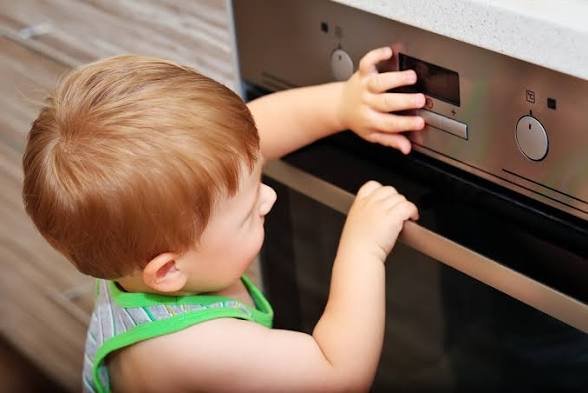
Children are naturally curious. They may want to touch a hot stove, play with matches, explore electrical sockets, or investigate smoke coming from an appliance. Without appropriate supervision and education, these activities can lead to dangerous situations.
This guide explains how parents can teach children about fire safety, identify common household hazards, prepare for emergencies, and create a safer home environment.
1. Why Fire Safety Education Is Important for Children
Children do not always understand how quickly a small fire can become dangerous. They may also have difficulty recognizing smoke, understanding emergency sounds, or knowing which actions are safe during an unexpected situation.
Fire safety education gives children the knowledge they need to recognize hazards and seek help.
Understanding common dangers
Children should learn that fire is not a toy and that certain household objects must only be handled by adults. These include:
- Matches and lighters
- Candles and incense sticks
- Gas stoves and ovens
- Electrical outlets and damaged wires
- Heaters and hot appliances
- Fireworks and sparklers
Explain these dangers using language appropriate for the child’s age. For example, parents can say, “Matches can cause burns and start a fire, so only adults should handle them.”
Building confidence during emergencies
A child who has practiced an escape plan may be better prepared to respond when a smoke alarm sounds. Children should know where to go, how to leave safely, and which trusted adults can help them.
The goal is not to make children responsible for controlling a fire. Their responsibility is to stay away from danger, follow the escape plan, and alert an adult or emergency services when safe.
Developing lifelong habits
Simple habits learned during childhood can remain useful throughout life. Turning off appliances when appropriate, staying away from cooking areas, and keeping exits clear are valuable safety practices for the entire family.
2. Identify Common Fire Hazards at Home
The first step toward preventing household fires is identifying situations that could cause them.
Parents should regularly inspect the home and explain relevant hazards to children without encouraging them to touch or investigate dangerous equipment.
Kitchen hazards
The kitchen is one of the most important areas for fire prevention. Cooking involves heat, gas, electricity, and sometimes flammable materials.
Children should be taught to:
- Stay away from hot stoves and ovens.
- Never play near cooking pots or pans.
- Avoid touching gas knobs or ignition switches.
- Keep toys and clothing away from cooking equipment.
- Ask an adult for help if they notice smoke or an unusual smell.
Parents should turn pot handles inward, supervise cooking, and keep children away from hot surfaces.
Electrical hazards
Damaged electrical wiring, overloaded sockets, faulty appliances, and unsafe charging practices can create fire risks.
Teach children never to insert objects into electrical outlets or play with wires. They should tell an adult if they notice sparks, burning smells, damaged cables, or unusually hot plugs.
Electrical repairs should always be handled by qualified adults or electricians.
Heating equipment
During colder weather, families may use electric heaters, gas heaters, or other heating equipment.
Children should understand that heaters are hot and must not be covered with clothes, blankets, or toys. Keep combustible materials away from heating appliances and follow the manufacturer’s instructions.
Candles and open flames
Candles, incense, and decorative flames should be kept out of children’s reach and never left unattended.
Children should not be asked to light candles or carry burning objects. Adults should extinguish flames before leaving the room or going to sleep.
Generators and fuel storage
Some households use generators during power interruptions. Generators create additional risks involving hot surfaces, fuel, electricity, and carbon monoxide.
Children must never operate generators or handle fuel. Generators should be used outdoors in a suitable location, away from doors, windows, and air intakes, following manufacturer guidance.
Fuel should be stored securely in approved containers, away from children, ignition sources, and living areas.
3. Teach Children the Basic Rules of Fire Safety
Children learn best when safety rules are simple, repeated, and practiced regularly.
Parents can introduce a few basic rules and reinforce them through everyday conversations.
Rule 1: Never play with fire
Matches, lighters, candles, and fireworks are not toys. Tell an adult if you find them.
Rule 2: Stay away from dangerous areas
Keep away from cooking stoves, heaters, generators, and other hot equipment.
Rule 3: Listen for the smoke alarm
If the alarm sounds, wake up, tell an adult if possible, and follow the escape plan immediately.
Rule 4: Get outside and stay outside
Leave using a safe exit, go to the family meeting point, and never return for toys or belongings.
Parents should repeat these rules in a calm, reassuring way. Children should know that asking for help is always the right choice.
4. Create a Family Fire Escape Plan
A fire escape plan helps every family member understand how to leave the home during an emergency. Children should be included in the planning process so that they know what to do without becoming frightened.
Identify two ways out
Whenever possible, identify two ways to escape from each room. The primary route may be a doorway, while the alternative could be another safe exit, depending on the home’s layout.
For apartments and multistory homes, families should understand the building’s designated emergency exits and stairways.
Never plan to use an elevator during a fire unless emergency personnel specifically direct otherwise.
Choose a meeting point
Select a safe outdoor meeting place, such as a designated spot away from the building.
It should be easy for children to recognize, and everyone in the household should know where it is.
Once outside, children must remain there and never return indoors.
Practice the escape plan
Practice the escape plan with the entire family at different times, including when children are sleeping.
Children should learn how to respond to a smoke alarm, leave their rooms, and move toward a safe exit.
Keep practice sessions calm and age-appropriate. Explain that drills are preparation, not a reason to be afraid.
Consider children with additional needs
Some children may need extra help because of their age, mobility, hearing, vision, or developmental needs.
Parents should identify who will assist them and practice a suitable escape route. Where alarms may not be easily heard, consider appropriate additional alerting devices.
5. Teach Children What to Do When a Fire Starts
Children need clear instructions about what to do if they see flames, smell smoke, or hear a smoke alarm.
The most important message is that they should escape rather than attempt to fight the fire.
Get out immediately
If children discover a fire, they should leave the dangerous area using a safe exit.
They should not stop to collect toys, schoolbags, mobile phones, or other belongings.
If the nearest exit is blocked by smoke or flames, they should use an alternative safe route.
Stay low under smoke
Smoke can make breathing difficult and reduce visibility. If children encounter smoke while escaping, teach them to stay low and move toward a safe exit.
They should avoid entering rooms filled with smoke and never hide in cupboards or under beds.
Never hide from firefighters
Children may instinctively hide when they become frightened. Explain that firefighters are there to help them.
If they cannot escape, they should move to a safer room away from the fire, close the door if possible, and call for help. They should make themselves visible or audible to rescuers from a safe location.
Stop, drop, and roll
If clothing catches fire, children should learn the basic stop, drop, and roll technique:
- Stop moving instead of running.
- Drop to the ground.
- Cover the face with hands.
- Roll repeatedly until the flames are out.
An adult should then help cool any burn with cool running water and seek appropriate medical assistance.
This technique should be taught calmly and practiced as a supervised educational activity without using real flames.
6. The Role of Smoke Alarms in Child Safety
Smoke alarms are important household safety devices because they can provide an early warning when smoke is detected.
A working alarm can give families additional time to respond and escape.
Install alarms in suitable locations
Families should follow local requirements and manufacturer instructions when installing smoke alarms.
Common recommended locations include:
- Inside bedrooms.
- Outside sleeping areas.
- On each level of the home.
Where appropriate, interconnected alarms can help ensure that an alarm sounding in one area is heard throughout the house.
Test alarms regularly
Adults should test smoke alarms according to the manufacturer’s instructions and replace batteries or devices when required.
Children can observe these checks with adult supervision, but they should never remove batteries or disable an alarm.
Explain what the alarm means
Children should understand that a smoke alarm is a warning signal. When it sounds, they must follow the family escape plan immediately.
Parents should explain the difference between a planned alarm test and a real emergency, while reinforcing that an unexpected alarm should always be taken seriously.
Choosing a fire alarm system in Pakistan
Families considering a fire alarm system in Pakistan should think about the size and layout of their home, the number of floors, sleeping areas, and the locations of potential fire hazards.
A suitable system may include smoke detectors, heat detectors where appropriate, audible alarms, and a control panel.
For larger homes or buildings with multiple levels, professional assessment can help determine suitable detector placement and system design.
The system should be installed and maintained according to relevant safety requirements and manufacturer recommendations. A fire alarm system is an early-warning measure, not a replacement for supervision, fire prevention, or an escape plan.
7. Make the Home Safer for Young Children
Young children require additional supervision because they may not understand the consequences of touching dangerous objects.
Parents can reduce risks by making the home environment safer.
Store dangerous items securely
Matches, lighters, candles, fuels, and other ignition sources should be stored in secure locations that children cannot access.
Do not leave these objects on tables, bedside cabinets, or kitchen counters.
Keep exits clear
Hallways, staircases, doors, and windows designated for emergency escape should remain accessible.
Avoid placing furniture, toys, or stored household items where they could block escape routes.
Use child safety measures
Depending on the home’s layout, parents may use suitable safety barriers to keep young children away from kitchens, heating equipment, and other hazardous areas.
These measures should not obstruct emergency exits or create additional hazards.
Supervise children closely
Young children should never be left alone around open flames, cooking equipment, or operating heaters.
Older children should also understand when adult supervision is necessary and which household tasks are not appropriate for them.
8. Fire Safety in Pakistani Homes
Household fire risks can vary depending on the building, appliances, electrical installation, and daily routines.
In Pakistan, families may encounter several situations that deserve particular attention.
Electrical load and wiring
The use of multiple appliances, extension cords, and overloaded sockets can create electrical hazards.
Avoid connecting too many high-power appliances to a single outlet. Have damaged wiring and faulty electrical equipment inspected by a qualified electrician.
Children should never attempt to repair electrical equipment.
Gas appliances
Gas stoves and heaters require proper installation, ventilation, and maintenance.
Children should not operate gas valves or attempt to investigate suspected leaks.
If a gas leak is suspected, avoid flames and electrical switches, leave the affected area, and contact the appropriate emergency service or gas provider from a safe location.
Seasonal heating
During winter, portable heaters and other heating appliances may be used more frequently.
Keep heaters away from bedding, curtains, clothing, and furniture. Do not leave them operating unattended unless the equipment is specifically designed and approved for that use.
Apartments and shared buildings
Families living in apartment buildings should identify stairways, emergency exits, and the building’s evacuation procedures.
Parents should explain that children must not play in stairwells, block corridors, or interfere with fire safety equipment.
Building management should maintain clear escape routes and appropriate fire protection systems.
9. Use Games and Activities to Teach Fire Safety
Children often learn more effectively when lessons are interactive and easy to understand.
Parents can use simple activities to make fire safety education engaging.
Draw an escape map
Ask children to draw a simple map of their home and mark the exits, bedrooms, and outdoor meeting point.
Adults can help identify safe escape routes and explain any areas children should avoid.
Practice an alarm response
During a supervised drill, let children practice responding to the smoke alarm, leaving the house, and reaching the meeting point.
Keep the drill calm and explain any changes needed afterward.
Use age-appropriate stories
Stories about firefighters, safe behavior, and helping others can introduce important concepts without exposing children to frightening details.
Parents can ask questions such as, “What should you do if you see smoke?” or “Where should we meet outside?”
Reward safe habits
Positive encouragement can help children remember important safety rules.
Praise children for telling an adult about a hazard, keeping away from dangerous equipment, or following the escape plan during practice.
10. Prepare a Family Fire Safety Checklist
A regular checklist helps parents identify problems before an emergency occurs.
Home fire safety checklist
0 of 9
Test smoke alarms according to manufacturer instructions.
Keep matches, lighters, and ignition sources securely stored.
Inspect electrical cords and avoid overloaded outlets.
Keep heaters away from curtains, bedding, and other combustible materials.
Make sure hallways, stairs, and exits are clear.
Review the family’s escape routes and outdoor meeting point.
Practice an age-appropriate fire drill.
Teach children how to contact a trusted adult or emergency service.
Check that children understand not to hide or return indoors during a fire.
Reset checklist
Families should revisit this checklist periodically, especially after moving to a new home, changing the layout, or introducing new appliances.
11. What Parents Should Do After a Fire Emergency
Even after a small fire, families should take the situation seriously.
Once everyone has escaped, parents should contact emergency services when needed and follow instructions from firefighters or other responders.
Do not re-enter a building until authorities confirm that it is safe.
Children may feel frightened, confused, or upset after experiencing a fire or evacuation. Parents should reassure them, answer questions honestly, and explain what happened in simple terms.
If a child has suffered a burn or inhaled smoke, seek appropriate medical attention promptly. Serious breathing difficulties, significant burns, or loss of consciousness require urgent emergency assistance.
After the immediate danger has passed, families should review their escape plan, identify what worked, and correct any problems.
12. Building a Long-Term Culture of Fire Safety
Fire safety should be part of everyday family life rather than a lesson that happens only once a year.
Parents can build safer habits by discussing hazards during normal activities, maintaining safety equipment, and practicing emergency procedures.
Children should feel comfortable reporting a dangerous situation without worrying about being blamed.
Schools can also support fire safety education through age-appropriate lessons, supervised drills, and coordination with qualified safety professionals.
When families, schools, and communities work together, children have more opportunities to learn how to recognize hazards and respond safely.
The objective is to create an environment where fire prevention becomes a normal part of daily routines.
Conclusion
Fire safety for kids begins with awareness, supervision, and preparation. Children need to understand that matches, lighters, electrical equipment, gas appliances, and heaters can be dangerous when handled incorrectly.
Parents can protect their children by identifying household hazards, securing dangerous items, maintaining working smoke alarms, and creating a clear escape plan.
Teaching children to leave immediately, stay low when encountering smoke, avoid hiding, and remain outside after escaping can help them respond more safely during emergencies.
For households considering a fire alarm system in Pakistan, suitable detection and warning equipment can provide an additional layer of protection when properly installed and maintained.
However, equipment alone cannot guarantee safety. Regular practice, adult supervision, and clear communication remain essential.
By making fire safety an everyday priority, families can help children develop the awareness and confidence needed to respond appropriately to emergencies and contribute to a safer home.
Frequently Asked Questions (FAQs)
1. At what age should children learn about fire safety?
Children can begin learning simple fire safety rules as toddlers, using short and age-appropriate explanations. As they grow older, parents can introduce escape planning, smoke alarm awareness, and supervised emergency drills.
2. What should a child do if a fire starts at home?
A child should leave immediately using a safe exit, avoid smoke and flames, and go to the family’s outdoor meeting point. They should never hide, collect belongings, or return inside. If they cannot escape, they should seek a safer location and call or signal for help.
3. How can parents teach children about smoke alarms?
Parents can explain that smoke alarms provide an early warning of possible fire. Adults should demonstrate the sound during an appropriate test, explain the family’s escape plan, and practice responding to an unexpected alarm.
4. Why is a fire alarm system important for homes in Pakistan?
A properly selected and maintained fire alarm system can provide an early warning when smoke or heat is detected, depending on the devices installed. This can help occupants recognize a potential emergency and begin evacuating. It should be combined with safe household practices and a fire escape plan.
5. How often should families practice a fire escape plan?
Families should practice their escape plan regularly and whenever significant changes occur in the home. Practice should include all household members and account for young children or anyone who may need additional assistance.